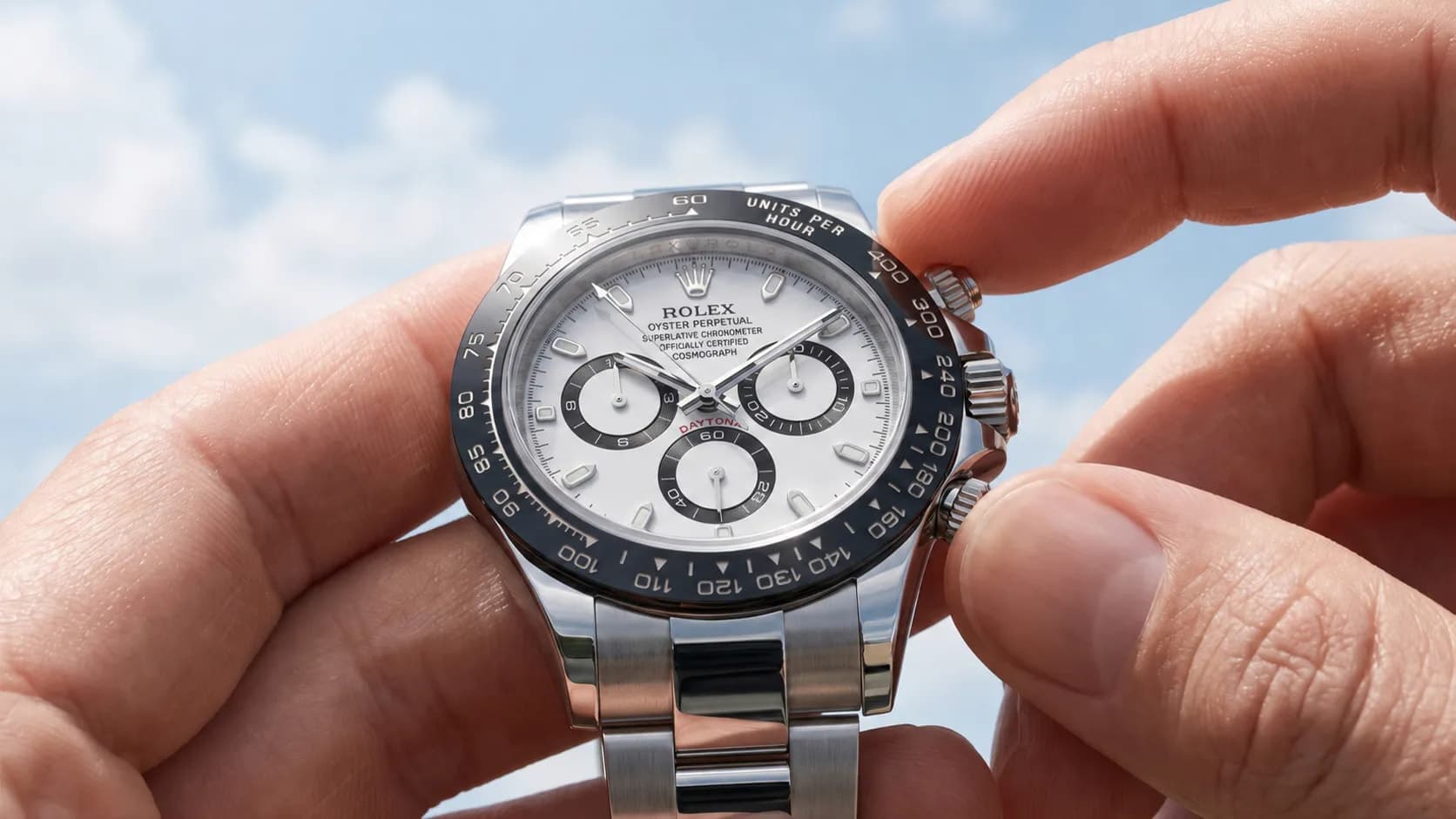
The tachymeter is the scale most people notice on a chronograph and the one fewest know how to use. Here is how it actually works, what the numbers mean, and the racing history that made it the signature of the Rolex Daytona.
Of all the markings on a sports watch, the tachymeter is the one that draws the eye and stumps the most owners. It is the ring of numbers around the bezel of a chronograph, a scale that looks like it belongs in a cockpit, and the most famous example of all rides on the Rolex Cosmograph Daytona. Plenty of people wear one for years and leave the scale idle, assuming it calls for a slide rule and a physics degree. The truth is simpler and rather charming: a tachymeter turns a stretch of elapsed time into a speed, in a few seconds, using the watch alone. It began as the working tool of the racing driver, and once you have read one, you will spot the maths everywhere. Here is how it works, why the Daytona made it iconic, and how to read one yourself in a few seconds.
A tachymeter is a fixed scale, printed on the dial or engraved on the bezel of a chronograph, that turns elapsed time into a rate. It does one job: it converts the seconds an event takes into the number of times that event would happen in an hour. Speed is the everyday use, since a car covering a fixed distance is simply an event with a duration, yet the same scale will count anything that repeats, which is why the Daytona bezel reads Units Per Hour, a phrase that fits any unit you choose. The maths behind it is a single line. There are 3,600 seconds in an hour, so the scale value equals 3,600 divided by the time in seconds, and the numbers climb as the times shorten. One feature matters above all: a tachymeter stays still. A dive bezel rotates so you can mark elapsed minutes, while a tachymeter is engraved in a fixed position, because its numbers only make sense when the scale holds firm against the sweep of the chronograph hand. Spot a bezel that turns, and you are looking at something else entirely.
Reading a tachymeter takes three moves: start the chronograph at a known distance, stop it at the end of that distance, and read the speed where the seconds hand lands. Say you are trailing a car along a motorway and you know the next mile is marked by two bridges. As the car passes the first bridge, press the top pusher to start the chronograph. The moment it reaches the second, press again to stop. Wherever the central seconds hand has come to rest on the bezel, read the number: that is the car's average speed across the mile, in miles per hour. Use kilometre markers and the very same reading becomes kilometres per hour, since the scale follows the distance you choose, and the unit comes along for the ride. A worked example makes it concrete. Imagine the hand stops at thirty seconds, pointing to 120 on the tachymeter, so the car averaged 120 miles per hour over the mile. The illustration below shows that exact reading, and the table sets out the pattern, where the rule is pleasingly simple: halve the time and you double the speed.
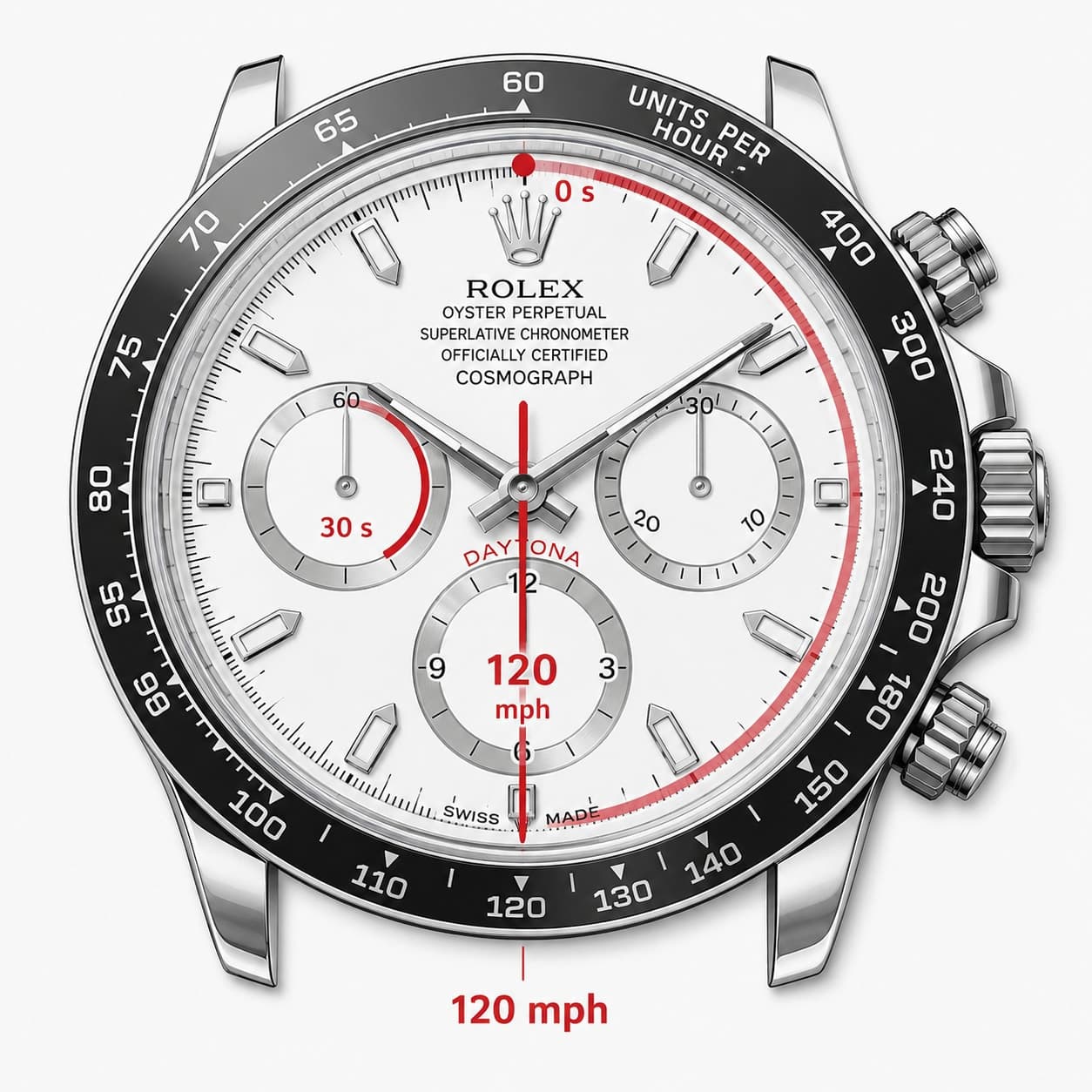
The chronograph hand starts at the top, runs while the car covers one measured mile, and stops at thirty seconds, pointing to 120 on the tachymeter bezel. The car averaged 120 miles per hour. Time a kilometre instead, and the same 120 reads as kilometres per hour.
| Time over 1 mile or 1 km | Average speed (units per hour) |
| 60 seconds | 60 |
| 45 seconds | 80 |
| 36 seconds | 100 |
| 30 seconds | 120 |
| 20 seconds | 180 |
| 15 seconds | 240 |
| 12 seconds | 300 |
| 10 seconds | 360 |
The tachymeter needs a fixed distance to work, and the most reliable one in Britain is hiding on the motorway. English motorways carry two sets of markers that suit the job perfectly, and both read in kilometres, which matches the scale. Small distance marker posts sit at the back of the hard shoulder every 100 metres, while the larger blue driver location signs appear every 500 metres, each printed with the distance from a fixed datum to one decimal place. Watch the numbers climb, note where one whole kilometre begins and ends, and you have a measured stretch accurate enough to trust. On a circuit the task is easier still, since the published lap length is exact, and the distance boards before each corner, marked at 100 and 50 metres, give you shorter runs to time.
Telegraph and electricity poles are the famous temptation here, and they earn a word of caution. Their spacing follows the terrain and the route, drifting from roughly 60 metres between telephone poles on a straight to less around a bend, while power poles range from about 40 metres in a town to 100 in open country. Counting poles will give you a rough feel for distance, yet they vary too much to feed a tachymeter with any confidence. For a reading you can rely on, measure against the road markers or the track, and leave the poles to the view.
| Reliable measured distances | |
| Motorway marker posts | every 100 metres, numbered in kilometres. |
| Driver location signs | every 500 metres on English motorways, also in kilometres. |
| Race circuits | an exact published lap length, plus 100 and 50 metre boards before the corners. |
| Poles and fences | a rough guide at best, since their spacing varies with the ground. |
The scale has one limit worth knowing: it reads only events that finish within sixty seconds, so very fast and very slow things need a small adjustment. The fix is to change the distance and scale the answer to match. For something slower than the bezel allows, a runner say, pick a shorter measured stretch so the effort fits inside a minute. Time a sprinter over two hundred metres, a fifth of a kilometre, and the bezel might read 180, an impossible figure for a human, so divide by five for a true 36 kilometres per hour. When the subject is faster than a mile a minute, a jet or a race car, stretch the distance instead. Clock ten miles, multiply the reading by ten, and a bezel showing 120 reveals a genuine 1,200 miles per hour. The principle holds throughout: the tachymeter always speaks in units per hour, and the distance you pick decides what one unit means.
The Daytona wears a tachymeter because Rolex built it for racing drivers, and the watch takes its name from the Florida home of American speed. In 1962 Rolex became the official timekeeper of the Daytona International Speedway, and a year later it launched a chronograph designed for the people who lived their lives against the clock. The defining move came on the bezel. Earlier Rolex chronographs, the so called pre Daytona models, carried their tachymeter on the dial; the new reference 6239 lifted the scale onto the bezel, clearing the dial and making the numbers easier to read at speed. Omega had taken that step first, on its Speedmaster of 1957, and Rolex now made the idea its own. The change gave the Daytona its face, and the tachymeter bezel has been its signature ever since. The watch grew up over four generations, from the hand wound originals and their prized Paul Newman dials, through the automatic Zenith era of 1988 and the in house movement of 2000, to today's ceramic bezelled fifth generation, launched in 2023 for the model's sixtieth birthday. Rolex carried its love of racing far beyond Florida, standing alongside the 24 Hours of Le Mans and the wider world of endurance racing, where winners still receive a specially engraved Daytona for their trouble. The tachymeter, in other words, began as a working instrument. It was the tool of the trade.
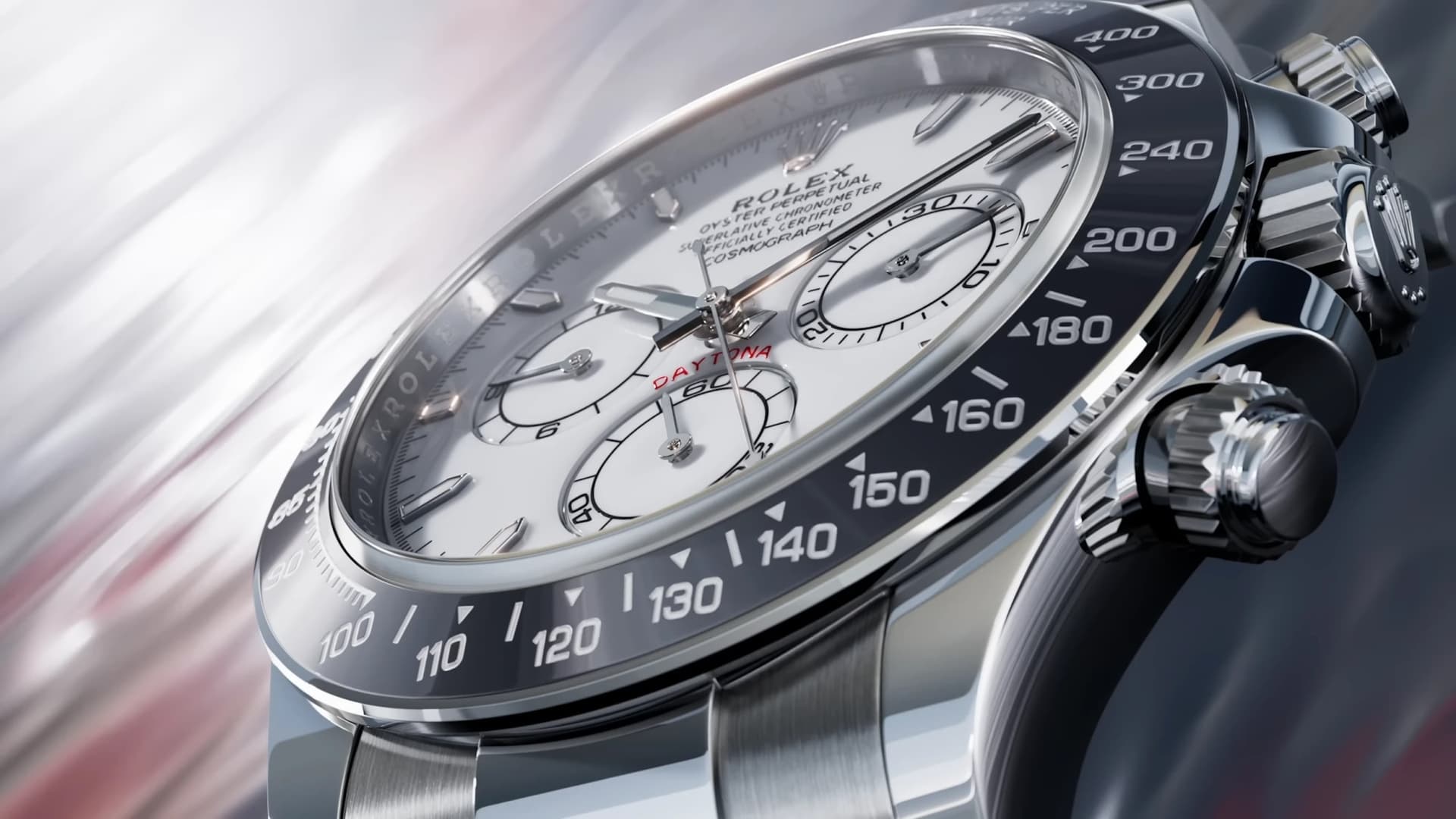
Built for the track, at home on the wrist.
A tachymeter is easy to mistake for other bezel scales, so a quick comparison saves confusion. The clearest test is movement. A tachymeter stays fixed, while a dive bezel rotates so a diver can track elapsed minutes underwater. Two cousins share the tachymeter's fixed, measuring nature and occasionally get muddled with it. A telemeter gauges distance from an event you can both see and hear, started at the flash of lightning and stopped at the thunder, with the scale reading the miles between. A pulsometer counts a heartbeat, started on the first beat and stopped after a set number, with the scale showing beats per minute. Each turns the chronograph into a different instrument, and each holds a fixed position. The tachymeter, the one made for speed, is the scale you will meet most often, and the Daytona is the reason why.
Of all the watches that wear a tachymeter, the Daytona is the one that made the scale legendary, a piece of racing history you can wear every day. Browse our selection of Rolex watches, every one authenticated and ready to wear. Our team knows the references, the generations, and the small details that matter, and would gladly help you find the right one. Wear a piece of racing history.
A tachymeter is a fixed scale on a chronograph, usually around the bezel, that converts elapsed time into a rate such as speed. Time an event over a known distance, and the scale shows how fast you were going in units per hour. The Rolex Daytona is the most famous watch to carry one.
Start the chronograph as your subject passes the start of a measured mile or kilometre, and stop it at the end. The number under the seconds hand on the bezel is the average speed: miles per hour if you timed a mile, kilometres per hour if you timed a kilometre. For example, thirty seconds over a mile reads 120 miles per hour.
The tachymeter scale is older than the wristwatch, having first appeared on pocket chronographs in the 1800s. It reached the wrist with the earliest chronograph wristwatches, and Longines is widely credited as the pioneer for building one of the first in 1913, with Breitling following in 1915.
Rolex designed the Daytona in 1963 as a tool for racing drivers, and a tachymeter let them read average speed straight from the wrist. The brand engraved the scale on the bezel for clarity at speed, clearing the dial, and that bezel has defined the Daytona ever since. The watch is named after the Daytona International Speedway in Florida.
Yes, with one small adjustment, since a runner is slower than the standard scale expects. Pick a short measured distance that fits inside sixty seconds, say two hundred metres, then divide the bezel reading by the fraction of a mile or kilometre you covered. Two hundred metres is a fifth of a kilometre, so a reading of 180 becomes a realistic 36 kilometres per hour.
A true tachymeter bezel stays fixed in place, which is part of how you recognise it. The scale gives correct readings only while it holds a constant position against the chronograph hand. A bezel that turns is a different tool, such as a dive bezel built to track elapsed minutes.
Among current models, the tachymeter is the Cosmograph Daytona's signature, engraved on its bezel. Some early hand wound Rolex chronographs, the so called pre Daytona references, carried the scale on the dial instead. Today, when collectors talk about a Rolex with a tachymeter, they almost always mean the Daytona.
23/06/2026·Kaitlyn Dotson
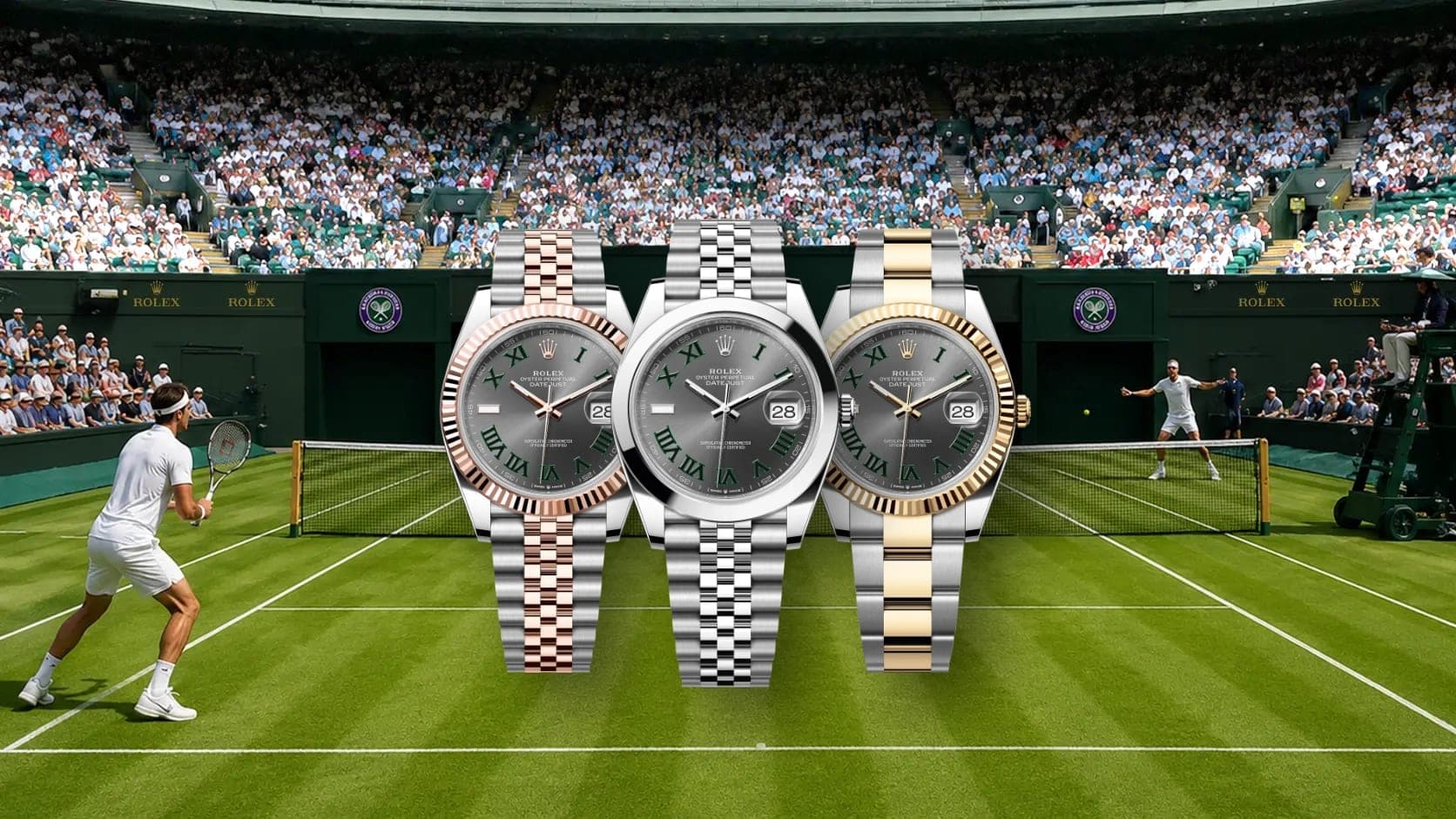
Every summer the world's oldest tennis tournament turns a corner of south west London a vivid shade of green, and on the wrist of its champions sits a crown. This is the story of Rolex and Wimbledon, the slate and green Datejust collectors prize, and what one costs today in sterling.
11/06/2026·Kaitlyn Dotson
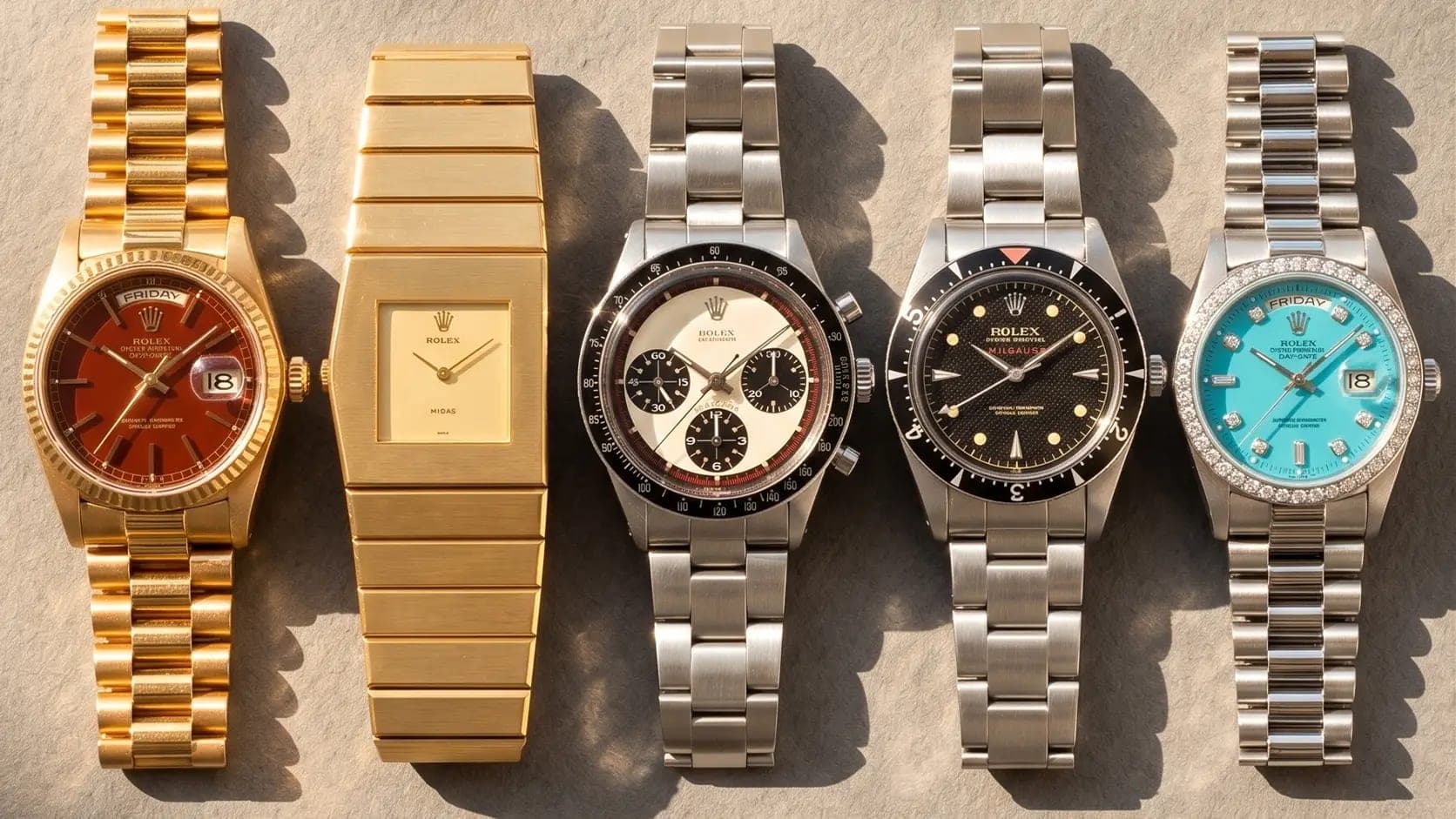
Rolex built its reputation on precision, prestige, and performance. Yet scattered throughout the brand's century-long history are watches so unusual, so experimental, or so short-lived that even seasoned collectors do a double-take. From a Rolex powered by a quartz movement to dials painted in colours that look lifted from a Caribbean sunset, these are the watches that tell a very different story about one of the world's great watchmakers.
29/05/2026·Kaitlyn Dotson
Following the official price update effective February 2026, a modern Rolex costs between £550 and £780 to service, classic five digit references run from £830 to £1,190, and vintage four digit pieces range from £1,380 to £7,350. Every official overhaul also includes a two year guarantee. Full official price tables, likely extra part costs, and what the service involves are all below.
21/05/2026·Kaitlyn Dotson
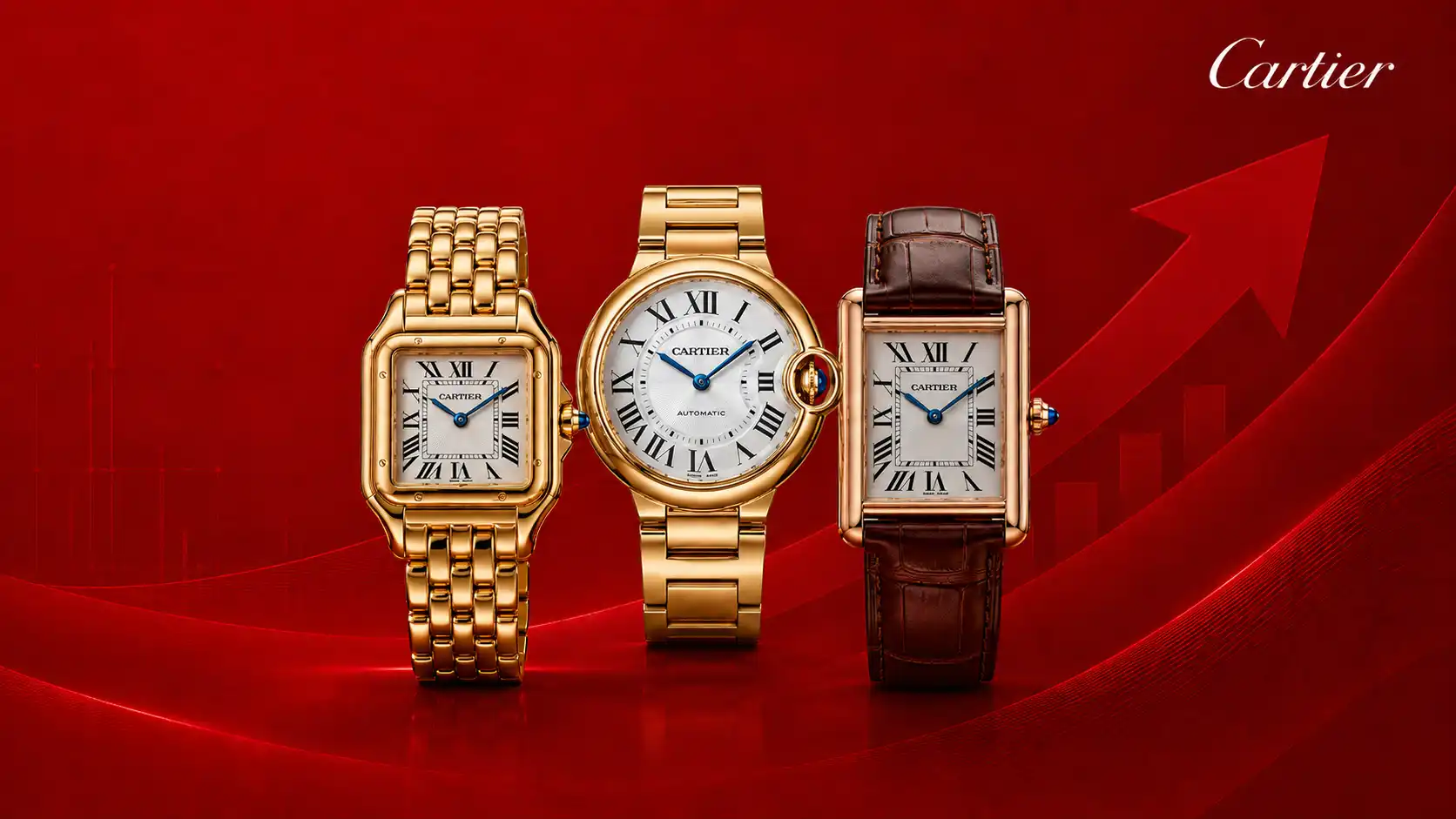
Cartier has lifted its US watch prices as of 21 May 2026, with most icons climbing around 14–18% on top-end gold and diamond-set models. Here's exactly what's changing, why it's happening, which watches feel it most, whether the jewellery could be next, and why the smart money may already be looking at the pre-owned counter rather than the boutique window.
19/05/2026·Kaitlyn Dotson
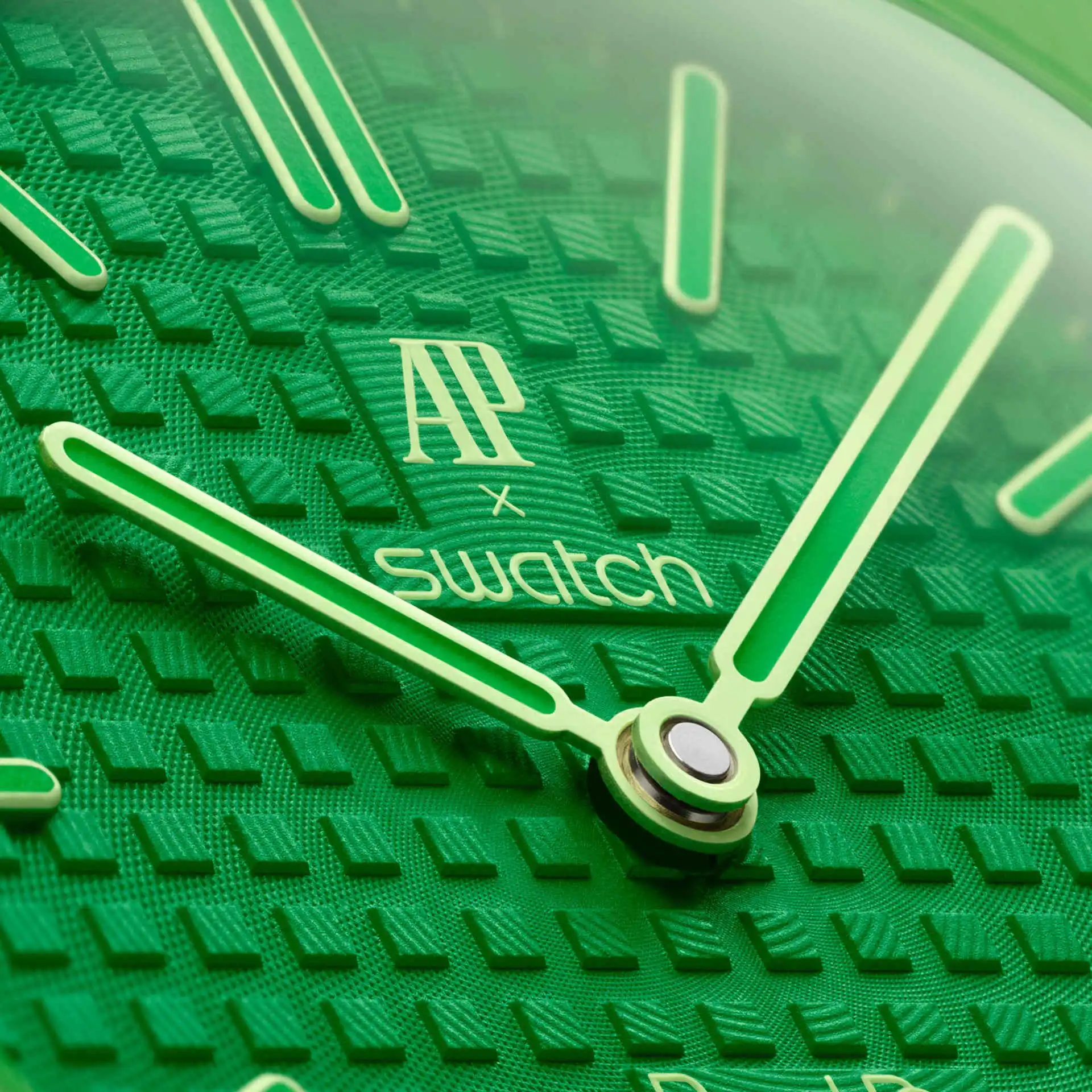
Audemars Piguet has quietly done something it has never done in fifty years — licensed the Royal Oak's design language to another watchmaker. Gone is the assumption that the octagonal bezel and eight hexagonal screws belong only to Le Brassus. In its place is the Royal Pop, eight Bioceramic pocket watches launched with Swatch that triggered 300-person queues, store closures, and £15,000 eBay asks within hours. If you're wondering whether to chase one, the picture three days later is very different from launch day.

28/04/2026·Kaitlyn Dotson
Rolex has quietly changed the documents that prove a watch is real. The 2026 warranty card and hang tag now share a green wood-grain finish, joined by a hidden line of defence against counterfeiters. Here is what changed, why it matters, and how to read the new set.
24/04/2026·Kaitlyn Dotson
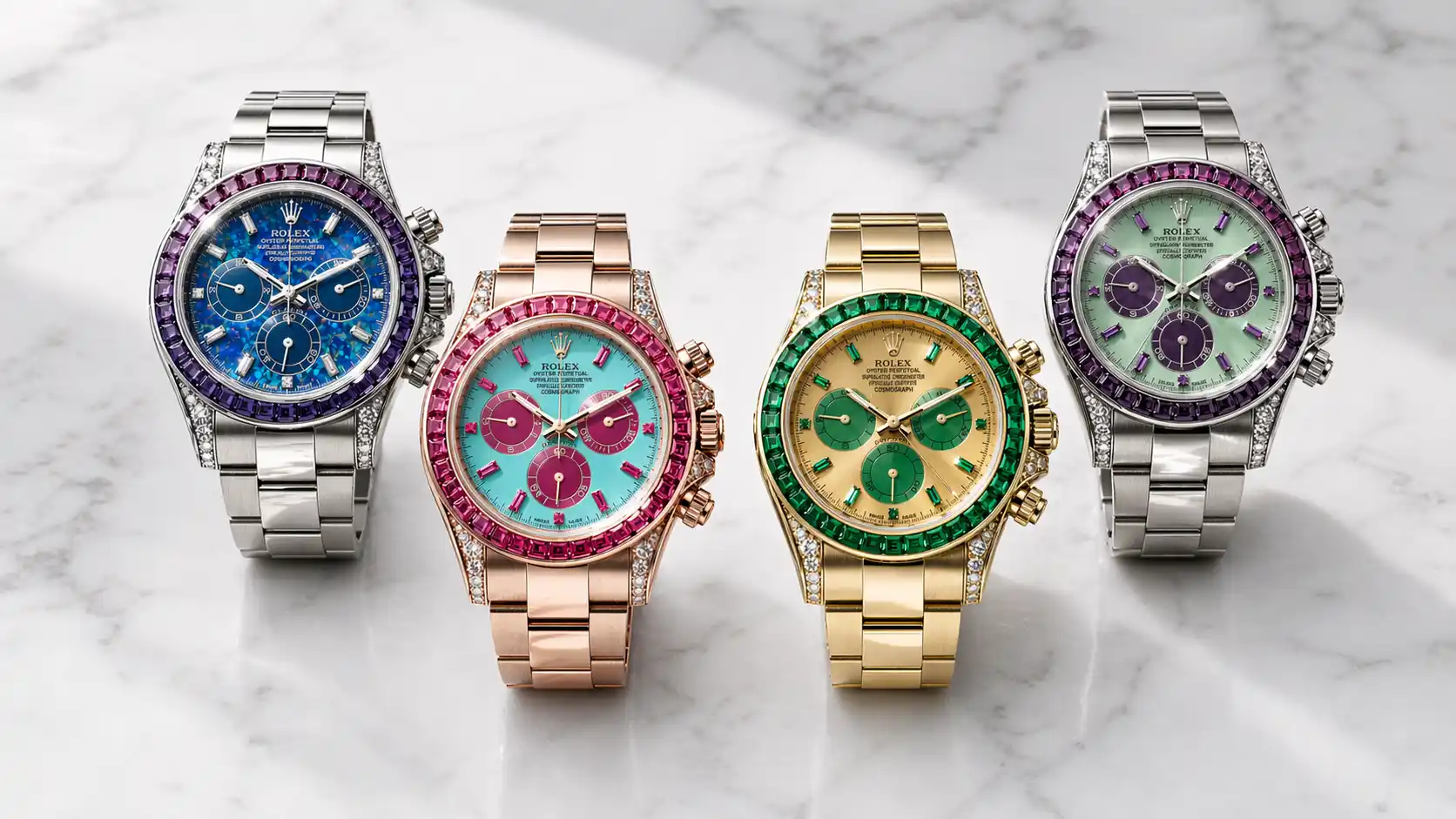
Around Watches & Wonders Geneva 2026, Rolex quietly introduced four gem-set Cosmograph Daytona references that won't appear on any website, won't be shown to journalists, and won't be offered to walk-in clients. References 126595SARO, 126596SABV, 126598TML, and 126599SAVL, each built around a different precious metal and an entirely distinct colour story, are among the most significant Daytona releases in years.
7/05/2026·Kaitlyn Dotson
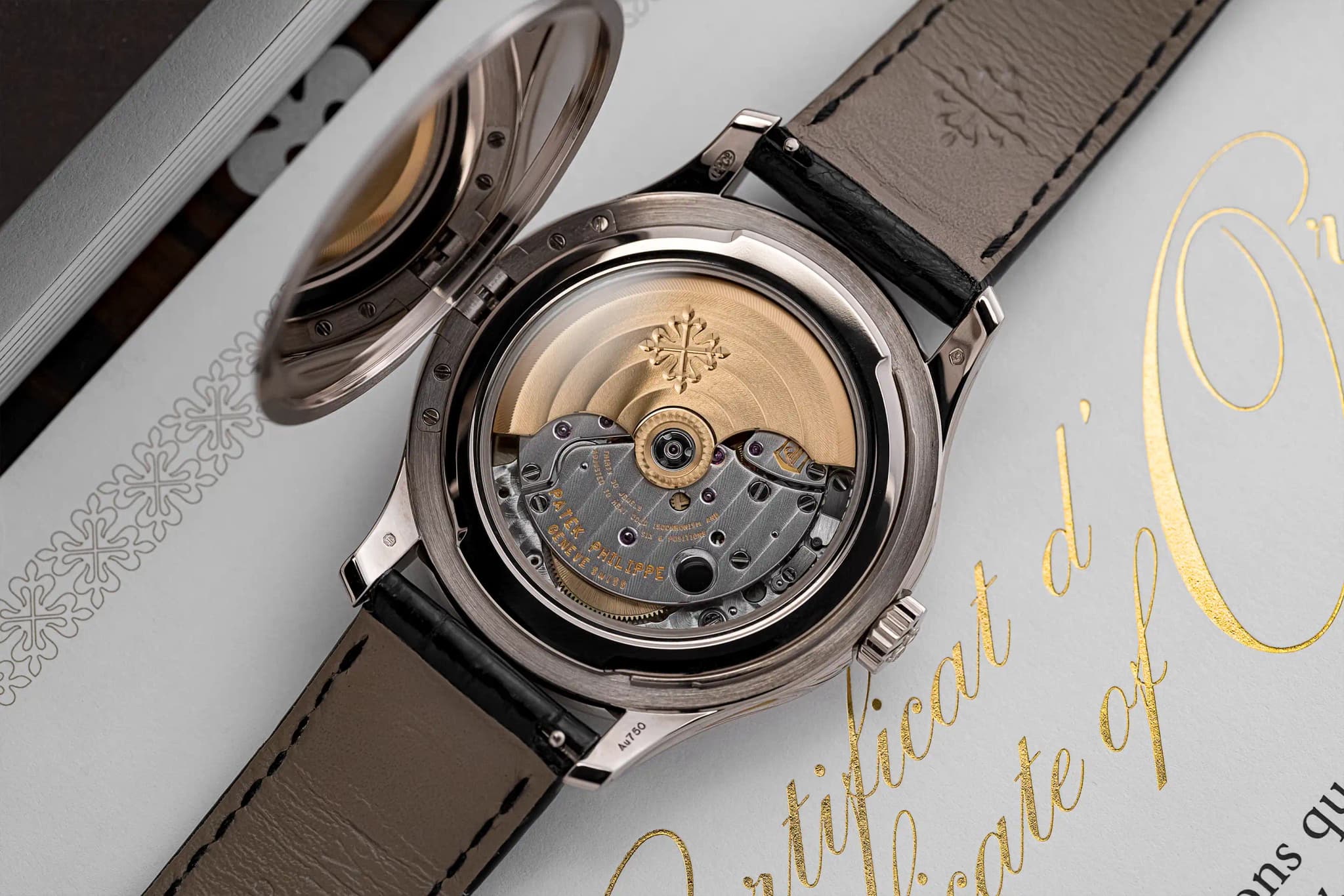
Owning a Patek Philippe is one thing, but selling it without damaging your relationship with the authorised dealer is another. For serious collectors, that relationship can be worth far more than any single watch. This guide walks through the options available, the risks attached to each, and how to navigate the process with both your price and your standing intact.
14/04/2026·Kaitlyn Dotson
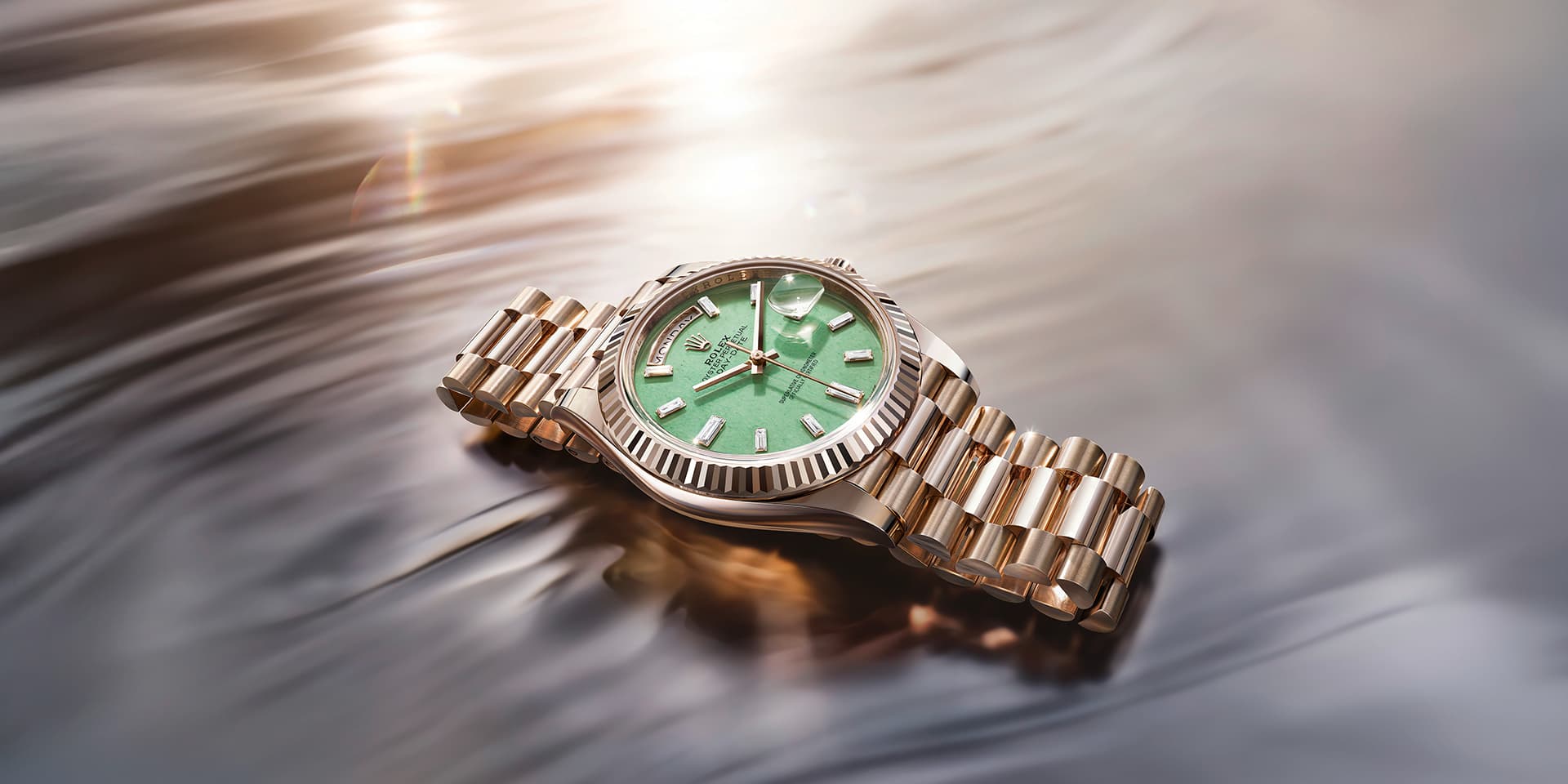
Six releases, 56 new references in standard catalogue and 2 off-catalogue — Rolesium Cosmograph Daytona and Day-Date 40. One historic anniversary, and some of the most technically impressive watches Rolex has ever put out. We've covered them all: from a completely rebuilt regatta chronograph with a brand-new movement, to precious metal Oyster Perpetuals featuring natural stone hour markers for the very first time. 2026 is shaping up to be one of the most exciting years in Rolex's history, and there's plenty to get enthusiastic about — whether you're a seasoned collector or just getting started on your watch journey.
08/04/2026·Kaitlyn Dotson
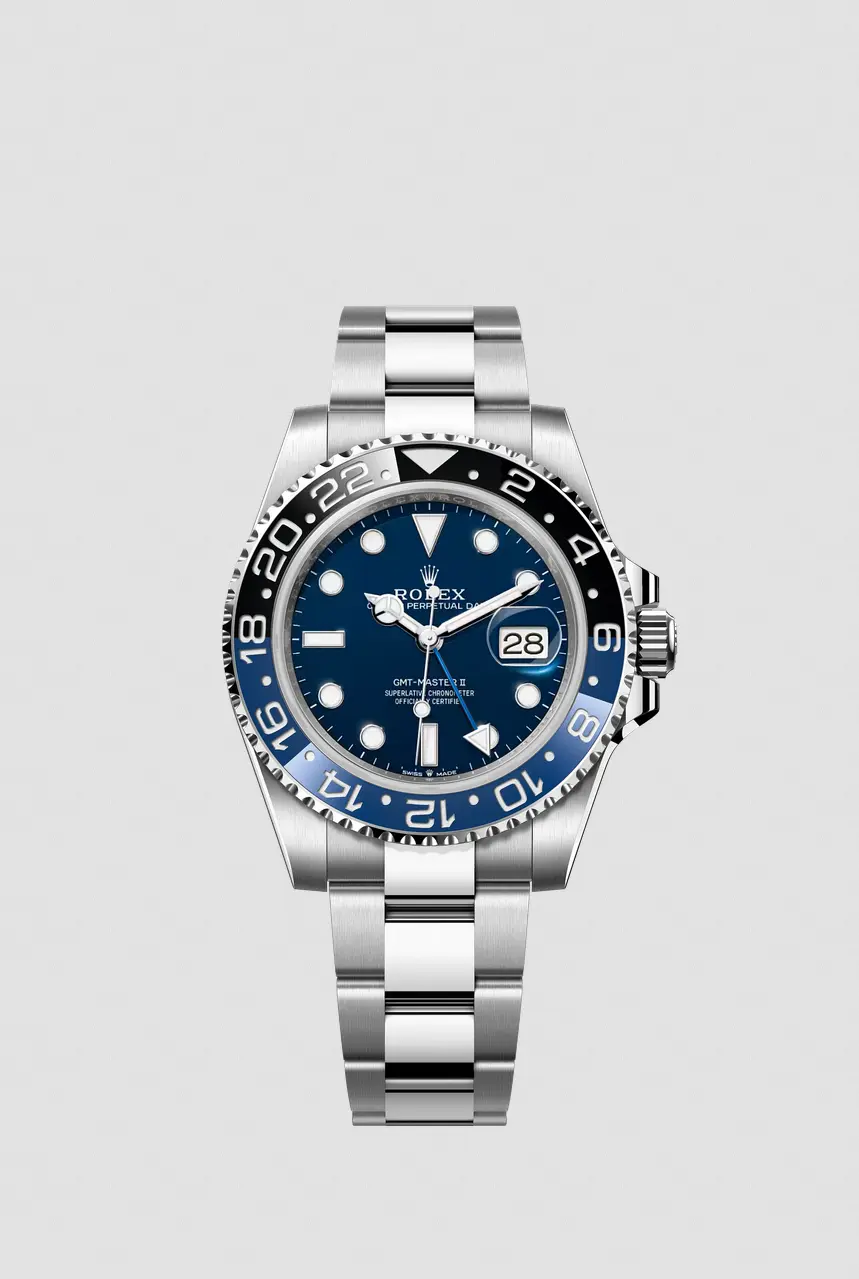
Watches & Wonders 2026 opens in Geneva on 14th April, and at Finer Lux, we believe this year's edition is unlike anything we've seen in our 20 years in the industry. The Holy Trinity under one roof for the first time. We've been watching the signals — here are our predictions for the biggest watch event of the year.
23/03/2026·James
Want to sell your Rolex without getting underpaid? This guide explains what to do before you sell, including how to identify your watch, how papers affect value, whether servicing is worth it, and how to choose the right selling route.